1. What Is Wyoming State Tax Filing?
Wyoming State Tax Filing is different from most U.S. states because
Wyoming does not impose a personal state income tax.
As a result, individuals are generally not required to
file a Wyoming individual income tax return for wages or personal income.
However, Wyoming residents, nonresidents, and businesses may still need to
comply with state-level tax obligations, such as sales and
use tax, industry-specific taxes, or business-related filings administered
by the
Wyoming Department of
Revenue
through the
Wyoming Internet Filing System (WYIFS) portal. Federal income tax
filing
with the Internal Revenue Service remains mandatory.
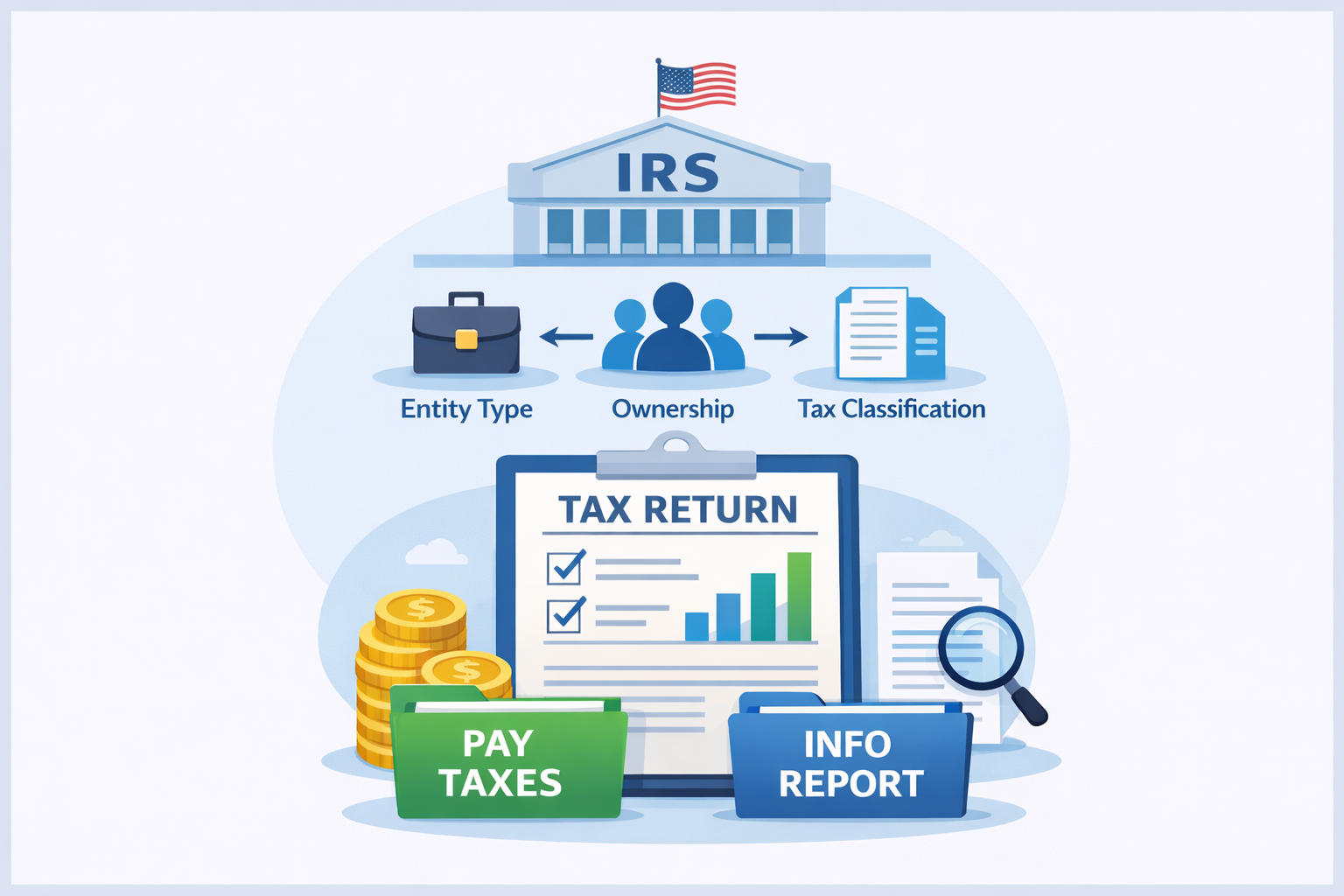
2. Who Has Wyoming State Tax Filing Obligations?
Wyoming does not impose a personal state income tax. As a result, most individuals do not file a Wyoming state income tax return, regardless of residency status. Wyoming State Tax Filing obligations generally apply only when business activity or taxable transactions occur within the state.
Quick checklist (common scenarios)
- Wage earners and employees: No Wyoming individual income tax filing is required
- Wyoming residents and nonresidents: No state income tax return is required for personal income
- Businesses with Wyoming activity: May need to register and file sales tax, use tax, or industry-specific taxes
- LLCs and corporations: May have Wyoming business tax, licensing, or reporting obligations depending on operations
- Remote sellers and service providers: May be required to file Wyoming sales or use tax if economic nexus applies
3. Wyoming State Tax Filing Forms and Registrations Explained
Wyoming State Tax Filing does not involve individual income tax forms because Wyoming does not impose a personal state income tax. Instead, Wyoming filing requirements depend on whether a business, entity, or taxable transaction occurs within the state.
Key idea
- Individuals (residents or nonresidents): No Wyoming individual income tax return is required
- Businesses with Wyoming activity: May need to register for sales tax, use tax, or industry-specific taxes through the Wyoming Internet Filing System (WYIFS) portal
- LLCs and corporations: Do not file Wyoming income tax returns, but may have state registration, licensing, or transactional tax obligations
- Remote sellers and online businesses: May be required to collect and file Wyoming sales or use tax if economic nexus thresholds are met
- Federal tax returns: Individuals and businesses still file applicable federal forms (such as Form 1040, 1065, or 1120)
Understanding whether your activity creates a Wyoming tax obligation—rather than assuming an income tax filing—is key to staying compliant and avoiding notices from the Wyoming Department of Revenue.
4. Documents Required for Wyoming State Tax Filing
Because Wyoming does not impose a personal state income tax, document requirements depend on whether you have business activity or taxable transactions in Wyoming. Proper documentation helps ensure smooth compliance with Wyoming state-level tax and reporting obligations.
- Business registration details: Wyoming LLC or corporation information, including entity name and EIN
- Sales and transaction records: Invoices, receipts, and payment records for Wyoming sales or services
- Sales and use tax records: Documentation showing collected or owed Wyoming sales or use tax
- Federal tax returns: Forms such as Form 1040, 1065, or 1120 for reference and reconciliation
- Prior Wyoming filings: Previous sales tax returns, licenses, or state correspondence, if applicable
READY FOR WYOMING STATE INCOME TAX FILING?
Start your Wyoming State Tax Filing with clear guidance on forms, deadlines, and compliance requirements set by the Wyoming Department of Revenue Services (DRS).
Start Wyoming Tax Filing5. DIY vs Accountant vs Managed Filing
Wyoming State Tax Filing is generally simpler than many states because there is no personal state income tax. However, business owners and founders may still need help choosing the right approach for sales tax, business compliance, and federal filing coordination.
What typically increases complexity?
- Multiple LLCs, corporations, or ownership structures
- Wyoming business activity triggering sales or use tax obligations
- High transaction volume, online sales, or multi-state operations
Why founders choose managed filing
- Clear guidance on Wyoming-specific compliance (not income tax assumptions)
- Centralized checklist for state registrations and federal coordination
- Greater confidence that filings match the correct entity and activity type
| Feature | FormLLC | Provider A | Provider B |
|---|---|---|---|
| Built for non-US founders | ✅ Deep non-resident focus | ➖ Limited support | ➖ Generic templates |
| End-to-end guidance (LLC → EIN → BOI → Tax) | ✅ Included / add-ons | ➖ Partial | ➖ Formation only |
| Transparent pricing | ✅ No surprise upsells | ⚠️ Hidden add-ons | ⚠️ Tiered upsells |
| Human support (WhatsApp / email) | ✅ Dedicated support | ➖ Ticket-based | ➖ Slow response |
Tax filing is not just “submitting a form.” The real risk is wrong entity classification, missing forms, missing partner details, and late filings. A clean checklist and correct form selection saves time and avoids notices.
6. Step-by-Step: How Wyoming State Tax Filing Works
Step 1: Confirm whether Wyoming state tax filing applies to you
Wyoming does not impose a personal state income tax. Most individuals do not file a Wyoming income tax return. Filing obligations generally arise only if you have business activity or taxable transactions within Wyoming.
Step 2: Identify the type of Wyoming tax or compliance requirement
Determine whether your activity triggers Wyoming sales tax, use tax, industry-specific taxes, or business-related registrations. Many Wyoming filings are transaction-based rather than income-based.
Step 3: Gather business and transaction records
Collect invoices, receipts, payment records, and entity details (such as EIN and registration information) related to Wyoming business activity. Federal tax returns may be used for reference, but they are not used to calculate Wyoming personal income tax.
Common Wyoming compliance timing: Sales and business tax filings may be monthly, quarterly, or annual, depending on the tax type and volume of activity.
Step 4: Prepare required Wyoming filings or registrations
Complete the appropriate Wyoming registrations or tax filings through the Wyoming Internet Filing System (WYIFS) portal, approved software, or with professional assistance. Review information carefully before submission.
Step 5: Submit filings and retain confirmation
File electronically where available and retain copies of submitted filings, payment confirmations, or correspondence from the Wyoming Department of Revenue for your records.
Step 6: Maintain records for ongoing compliance
Keep organized transaction and business records throughout the year to support future Wyoming compliance and reduce the risk of notices or penalties.
Helpful federal references:
If you prefer guided assistance, FormLLC can help determine whether Wyoming state tax or compliance filings apply and coordinate the process accurately.
7. Tips to Avoid Wyoming Tax Notices and Penalties
- Confirm whether you have any Wyoming state tax obligations (such as sales tax or business-related filings), since Wyoming has no personal state income tax
- File required Wyoming sales, use, or business tax reports by their applicable due dates (monthly, quarterly, or annually)
- Pay any Wyoming tax due on time, even if additional documentation or follow-up filings are required
- Keep copies of submitted filings, payment confirmations, and correspondence from the Wyoming Department of Revenue
- Respond promptly to any notices issued through the Wyoming Internet Filing System (WYIFS) portal
8. Wyoming Tax Costs, Penalties, and Filing Timelines
- Filing preparation cost: Varies based on the type of Wyoming tax or compliance requirement (such as sales tax, use tax, or business registrations) and whether filing is done independently or with professional assistance
- Record cleanup: Optional but recommended if business or transaction records are incomplete, inconsistent, or not properly categorized
- Late filing penalties: Apply to Wyoming sales, use, or business taxes and vary by tax type and filing frequency
- Interest on unpaid tax: Accrues on unpaid Wyoming tax amounts at rates set by the Wyoming Department of Revenue
- Filing timelines: Wyoming tax filings may be required monthly, quarterly, or annually, depending on the tax type and level of activity
| Task | Typical Timing | Notes |
|---|---|---|
| Business registration or tax setup | Before taxable activity begins | Required before collecting or remitting Wyoming taxes |
| Sales and use tax filings | Monthly / Quarterly / Annually | Frequency depends on volume and tax account settings |
| Payment of Wyoming tax due | With each filing period | Late payments may trigger penalties and interest |
| Confirmation and record retention | After each filing | Keep copies of filings, payments, and state correspondence |
| Ongoing compliance review | Throughout the year | Helps prevent missed filings or unexpected notices |
9. Common Federal and Wyoming Tax Forms
1. EIN (Employer Identification Number)
An Employer Identification Number (EIN) is issued by the Internal Revenue Service and is used to identify a business for federal tax reporting and for Wyoming state-level registrations, such as sales tax or business compliance accounts.
2. Federal Partnership Return (Form 1065)
Multi-member LLCs file a federal informational return using Form 1065 . Schedule K-1 reports each partner’s share of income for federal tax purposes. Wyoming does not require individual income tax returns for partners.
3. Federal Corporate Return (Form 1120)
U.S. C-Corporations file Form 1120 at the federal level. Wyoming does not impose a corporate income tax, but businesses may still have state-level tax or compliance obligations unrelated to income.
4. Wyoming State-Level Tax Filings (When Applicable)
- Sales and use tax filings: Required for businesses selling taxable goods or services in Wyoming
- Industry-specific taxes: May apply to certain regulated or resource-based activities
- Business registrations: Required to access and file through the Wyoming Internet Filing System (WYIFS) portal
5. Owner Individual Filing (Federal Only)
- Individuals report income on federal returns (Form 1040 or related schedules)
- Partners use Schedule K-1 information for federal filing only
- A federal ITIN or SSN may be required for federal tax filing purposes
10. Conclusion
Wyoming State Tax Filing is different from most states because Wyoming does not impose a personal state income tax. As a result, most individuals do not file a Wyoming income tax return. Filing responsibilities generally apply only when business activity or taxable transactions occur within Wyoming.
By understanding which Wyoming state-level taxes or compliance requirements apply—such as sales tax, business registrations, or industry-specific obligations—taxpayers and founders can stay compliant and avoid penalties or unnecessary notices. FormLLC provides clear guidance to help streamline Wyoming State Tax Filing and compliance with confidence.
11. Frequently Asked Questions
Wyoming does not impose a personal state income tax, so most individuals do not file a Wyoming income tax return. Wyoming state tax filing obligations generally apply only to businesses or individuals with taxable transactions, such as sales tax, use tax, or industry-specific taxes.
No. Wyoming does not have a personal state income tax, so there is no April 15 income tax filing deadline. Filing deadlines depend on the specific Wyoming tax type, such as sales or business taxes, which may be due monthly, quarterly, or annually.
Wyoming does not offer income tax filing extensions because it does not impose a personal income tax. Deadlines for sales and business tax filings are set by the Wyoming Department of Revenue and vary by tax type.
Individuals do not file Wyoming income tax forms. Wyoming does not use individual income tax returns. Federal income tax filing requirements still apply.
No. Because Wyoming does not impose a personal income tax, there is no calculation of taxable income and no deduction for federal income tax paid at the state level.
Late filing or payment of Wyoming sales, use, or business taxes may result in penalties and interest. Penalty amounts and interest rates depend on the specific tax type and are set by the Wyoming Department of Revenue.
Yes. FormLLC helps founders and business owners determine whether Wyoming state tax or compliance filings apply and provides guided support for accurate and timely submission.