1. What Is Nebraska State Tax Filing?
Nebraska State Tax Filing refers to the process of reporting certain types of
income to the
Nebraska
Department
of Revenue.
Importantly, Nebraska imposes a personal state income tax on
individuals and certain businesses.
Filing obligations may apply to Nebraska residents, part-year residents, and
nonresidents with Nebraska-source income. In addition, businesses such as
corporations, partnerships, and other pass-through entities may be required to file
Nebraska tax returns, informational returns, or withholding reports.
This process is separate from federal income tax filing with the IRS.
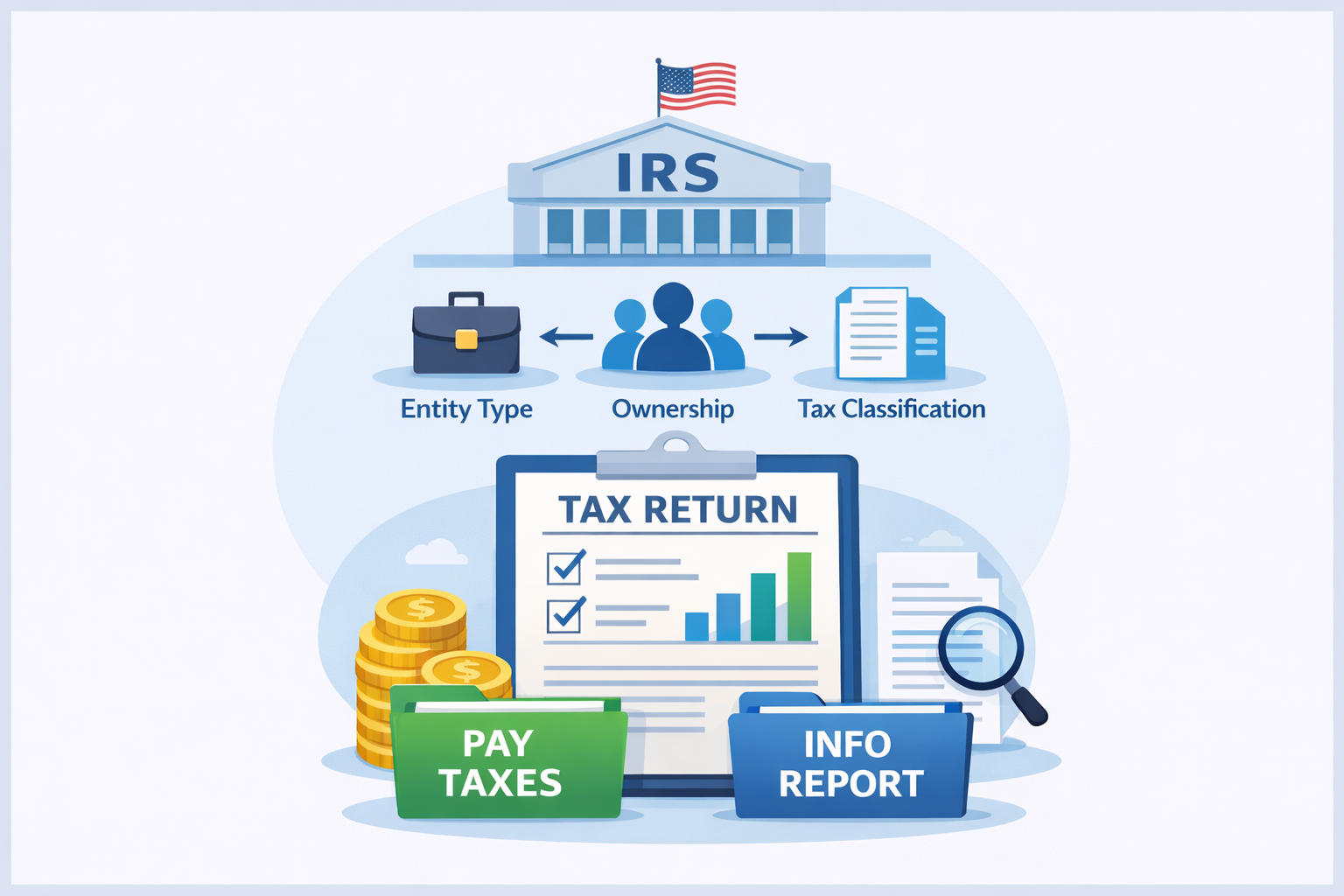
2. Who Must File Nebraska State Taxes?
Nebraska state tax filing requirements depend on your residency status, income level, and whether you earned income from Nebraska sources. Nebraska imposes a personal state income tax, so individuals and businesses meeting certain conditions are required to file.
Common situations where filing is required
- Nebraska residents whose income exceeds the state filing threshold
- Part-year residents who lived in Nebraska for part of the year and earned income while residing in the state
- Nonresidents who earned Nebraska-source income, such as wages, business income, rental income, or royalties
- Individuals with Nebraska income tax withheld who need to file to claim a refund
- Pass-through entities or individuals subject to Nebraska withholding or composite filing requirements
3. Nebraska Tax Forms – What to File
Nebraska state tax filing requires submitting the appropriate tax forms based on your residency status and the type of income earned. Individuals, businesses, and pass-through entities may each have different filing requirements.
Common Nebraska tax forms
- Form 1040N – Nebraska Resident Individual Income Tax Return
- Form 1040N-NR – Nebraska Nonresident and Part-Year Resident Income Tax Return
- Form 1120N – Nebraska Corporation Income Tax Return for C corporations
- Form 1065N – Nebraska Partnership Return of Income
- Form 1120-SN – Nebraska S Corporation Return
- Nebraska withholding and informational forms – For employers and pass-through entities with Nebraska withholding obligations
Selecting the correct forms is a key part of Nebraska state tax filing. Filing the wrong form or failing to file when required can result in penalties, interest, or notices from the Nebraska Department of Revenue.
4. Documents Required for Nebraska Tax Filing
If you are required to file a Nebraska state tax return, prepare the following documents in advance:
- W-2 and 1099 forms: showing wages or other income earned in or sourced to Nebraska
- Federal tax return (Form 1040): used as the starting point for Nebraska income tax calculations
- Nebraska withholding records: showing any Nebraska state income tax withheld during the year
- Business, rental, or other income records: including income, expenses, and supporting documentation
- Prior Nebraska tax returns (if any): useful for reference, consistency, and carryforward amounts
NEED HELP WITH NEBRASKA STATE TAX FILING?
Confirm whether you have any Nebraska filing obligation and get clear guidance on forms, deadlines, and compliance.
Get Nebraska Tax Help5. DIY vs Accountant vs Managed Filing
Non-US founders and remote business owners with Nebraska filing obligations typically choose one of three approaches: DIY filing, hiring an accountant, or using managed tax filing services.
What typically increases complexity?
- Nebraska-source income (wages, business income, rental income, or royalties)
- Multi-state operations and income apportionment requirements
- Pass-through entities with Nebraska nexus or state reporting obligations
| Feature | FormLLC | Provider A | Provider B |
|---|---|---|---|
| Built for non-US founders | ✅ Deep non-resident focus | ➖ Limited support | ➖ Generic templates |
| End-to-end guidance (LLC → EIN → BOI → Tax) | ✅ Included / add-ons | ➖ Partial | ➖ Formation only |
| Transparent pricing | ✅ No surprise upsells | ⚠️ Hidden add-ons | ⚠️ Tiered upsells |
| Human support (WhatsApp / email) | ✅ Dedicated support | ➖ Ticket-based | ➖ Slow response |
*Sample stats for illustration. Add your real numbers and link to verified reviews.
Nebraska state tax filing issues commonly arise from residency changes, Nebraska-source income, and incomplete or late income reporting. Ensuring accurate federal-to-state reporting, correct form selection, and on-time filing helps avoid notices, penalties, and follow-ups from the Nebraska Department of Revenue.
6. Step-by-Step: Nebraska State Tax Filing
Step 1: Confirm your Nebraska filing requirement
Begin by determining your residency status for the tax year. Nebraska state tax filing requirements differ for residents, part-year residents, and nonresidents. Filing is generally required if you earned income while living in Nebraska or received Nebraska-source income.
Step 2: Gather federal tax records and Nebraska income documents
Nebraska income tax returns are based on your federal return. Collect your federal Form 1040, W-2s, 1099s, Schedule C, Schedule E, and any records showing Nebraska income or Nebraska tax withholding.
Step 3: Ensure you have an EIN (for business filers)
Businesses, LLCs, partnerships, and corporations filing Nebraska state taxes must have a valid Employer Identification Number (EIN) issued by the Internal Revenue Service (IRS). The EIN is required for filing business tax returns, withholding reports, and opening state tax accounts.
Step 4: Select the correct Nebraska tax form
Choose the appropriate Nebraska tax form based on your situation. Nebraska residents generally file Form 1040N, while nonresidents and part-year residents file Form 1040N-NR. Businesses may need to file additional corporate, partnership, or withholding returns.
Step 5: Prepare and file the Nebraska return
Prepare your Nebraska state tax return using approved tax software, the Nebraska Department of Revenue’s online filing system, or professional assistance. Review all income, deductions, and credits carefully before submission.
Step 6: Submit payment or track your refund
If tax is owed, submit payment by the Nebraska filing deadline, generally April 15 for calendar-year filers. If a refund is due, monitor your filing status and retain confirmation records for future reference.
Step 7: Maintain records for compliance
Keep copies of your filed Nebraska return, federal tax return, EIN documentation, and payment confirmations. Maintaining organized records helps simplify future Nebraska state tax filings and supports compliance in case of audits or notices.
7. Tips to Avoid Nebraska Tax Notices
- Confirm whether you are required to file based on residency status and income thresholds
- Report all Nebraska-source income accurately
- File by the Nebraska filing deadline (generally April 15 for individuals, or the next business day if extended)
- Keep clear records of income sources, deductions, and apportionment
- Respond promptly to any correspondence from the Nebraska Department of Revenue
8. Nebraska Tax Costs, Penalties, and Filing Timelines
- Personal income tax rate: Progressive rates based on Nebraska taxable income
- Late filing penalty: 5% of the unpaid tax per month, up to a maximum of 25%
- Interest on unpaid tax: Accrues daily at rates set annually by the Nebraska Department of Revenue
- Filing extensions: Automatic extension to November 15 if a federal extension is filed; tax payment is still due by the original deadline
| Task | Typical Timing | Notes |
|---|---|---|
| Document collection | January to April | W-2s, 1099s, and Nebraska withholding statements |
| Nebraska resident return (Form 1040N) | Due April 15 | Applies to most Nebraska resident taxpayers |
| Nonresident / part-year return (Form 1040N-NR) | Due April 15 | Required for taxpayers with Nebraska-source income |
| Extension deadline | November 15 | Extends filing deadline, not the tax payment deadline |
| Return confirmation and record storage | After filing | Retain copies of filed returns, confirmations, and proof of payment |
| Next-year tax planning | Throughout the year | Helps reduce penalties, interest, and compliance issues |
9. Common Federal & Nebraska Tax Forms
Federal Tax Forms (Commonly Used)
- Form 1040 – U.S. Individual Income Tax Return
- Schedule C – Profit or Loss From Business (sole proprietors)
- Schedule E – Supplemental Income (rentals, royalties, pass-through income)
- Schedule K-1 – Partnership or S-Corporation income reporting
Nebraska Tax Forms
- Form 1040N – Nebraska Resident Individual Income Tax Return
- Form 1040N-NR – Nonresident and Part-Year Resident Income Tax Return
- Nebraska Corporation Income Tax Return (Form 1120N) – For C corporations with Nebraska nexus
- Nebraska Partnership Return of Income (Form 1065N) – For partnerships with Nebraska-source income
- Nebraska S Corporation Return (Form 1120-SN) – For S corporations with Nebraska filing obligations
- Nebraska withholding and informational returns – For employers and pass-through entities with Nebraska withholding requirements
10. Conclusion
Nebraska imposes a personal state income tax on residents, part-year residents, and nonresidents with Nebraska-source income. While tax rates and filing rules vary based on residency status and income type, understanding your Nebraska tax obligations is key to remaining compliant.
Taking the time to confirm your filing requirements helps you avoid penalties, processing delays, and unnecessary compliance issues. FormLLC can help review your Nebraska tax obligations and guide you through the filing process clearly and efficiently.
11. Frequently Asked Questions
Yes. Nebraska imposes a personal state income tax on residents, part-year residents, and nonresidents who earn Nebraska-source income. Tax rates are progressive and administered by the Nebraska Department of Revenue.
Nebraska state tax filing is required for individuals whose income exceeds state filing thresholds, as well as nonresidents and part-year residents with Nebraska-source income. Filing may also be required to claim a refund if Nebraska income tax was withheld.
For most individual taxpayers, Nebraska state income tax returns are due on April 15, or the next business day if the deadline falls on a weekend or holiday. Filing extensions are available, but any tax owed must be paid by the original deadline.
Nebraska residents generally file Form 1040N, while nonresidents and part-year residents file Form 1040N-NR when they have Nebraska-source income. Additional forms may apply depending on income type or filing status.
Missing a Nebraska tax filing deadline may result in penalties and interest on unpaid tax balances. The Nebraska Department of Revenue typically assesses percentage-based penalties, similar to federal tax rules, until the return is filed and paid.
Yes. FormLLC can help review your Nebraska state tax filing obligations, confirm which forms are required, and guide you through compliance steps to ensure accurate and timely filing.