1. What Is Mississippi State Tax Filing?
Mississippi State Tax filing refers to the process of reporting certain types of
income to the
Mississippi
Department
of
Revenue.
Importantly, Mississippi imposes a state personal income tax on
individuals and certain business entities.
Filing obligations may also apply to nonresidents with Mississippi-source income,
pass-through entities such as partnerships and S corporations, employers required to
withhold Mississippi income tax, and businesses subject to other state taxes such as
sales and use tax, franchise tax, or special industry-specific taxes.
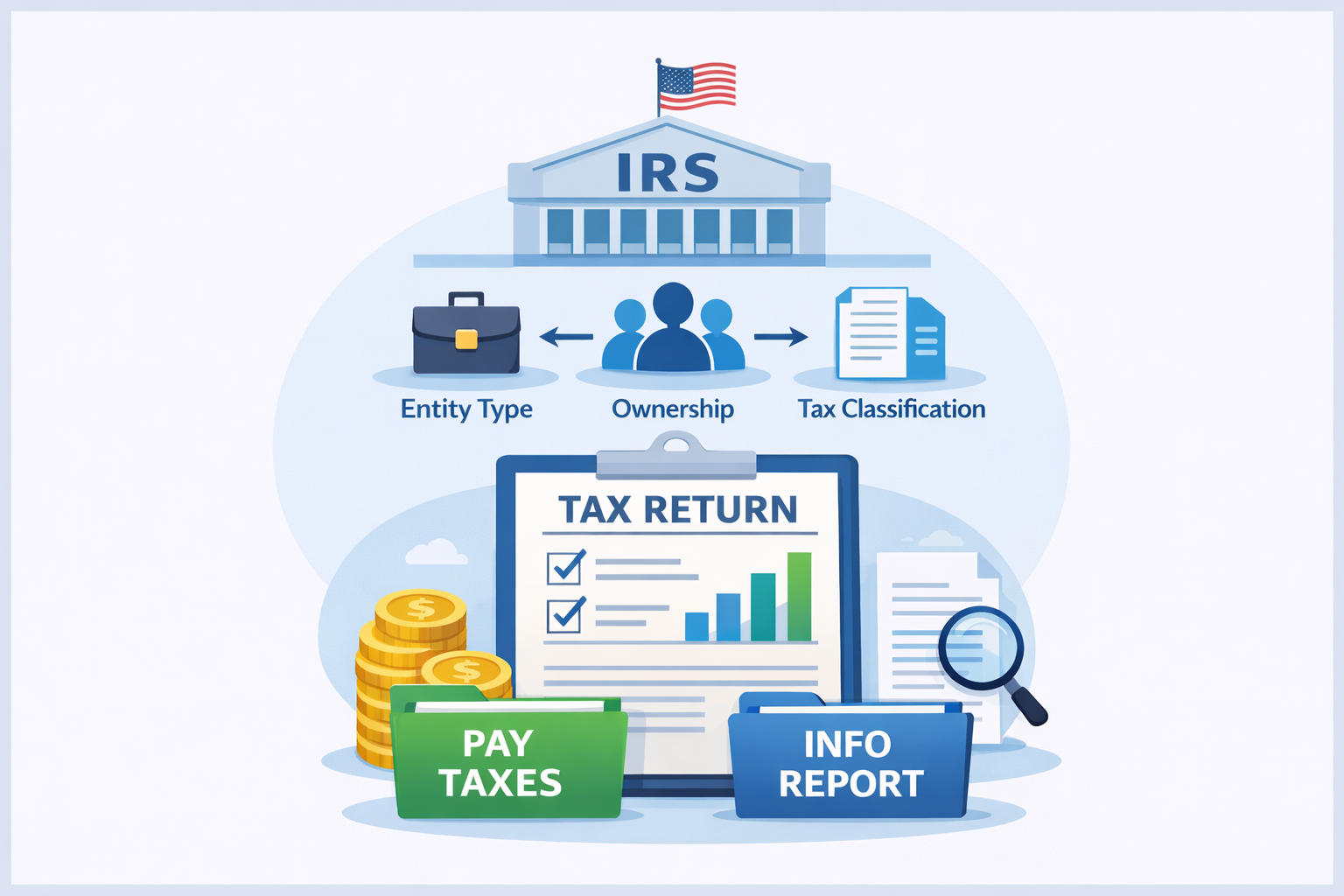
This is separate from federal income tax filing with the IRS.
2. Who Must File in Mississippi?
Most individuals who meet income thresholds or have Mississippi-source income must file a Mississippi State Tax return. However, filing may still be required in these situations:
Quick checklist (common scenarios)
- Nonresidents with Mississippi-source income (wages, business income, rental income, royalties, etc.)
- Part-year residents must file for the portion of the year they lived or earned income in Mississippi
- Individuals or businesses subject to other Mississippi taxes, such as sales and use tax, withholding tax, or franchise tax
- Pass-through entities (partnerships, S corporations, LLCs) that must file informational or composite returns
- Taxpayers who had Mississippi income tax withheld and want to claim a refund
3. Mississippi Tax Forms – What to File
The specific Mississippi tax forms you must file depend on your residency status, income sources, and business activities. Mississippi uses different forms for residents, nonresidents, part-year residents, and business entities.
Common Mississippi income tax forms
- Form 80-105 (Resident Individual Income Tax Return) – For full-year Mississippi residents reporting all taxable income
- Form 80-205 (Nonresident or Part-Year Resident Return) – For individuals who lived in Mississippi for part of the year or earned Mississippi-source income while living elsewhere
- Form 80-106 (Composite Return) – Filed by certain pass-through entities on behalf of nonresident members or shareholders
- Withholding Tax Forms – Required for employers who withhold Mississippi income tax from employee wages
- Business and Specialty Tax Returns – Including franchise tax, sales and use tax, and other industry-specific filings
4. Documents Required for Mississippi Tax Filing
If you are required to file a Mississippi state tax return, prepare the following documents in advance:
- W-2 and 1099 forms: showing wages or other income earned in or sourced to Mississippi
- Federal tax return (Form 1040): used as the starting point for Mississippi income tax calculations
- Mississippi withholding records: showing any Mississippi state income tax withheld by employers or payers
- Business, rental, or other income records: income, expenses, and supporting documentation related to Mississippi activity
- Prior Mississippi tax returns (if any): for reference, consistency, and carryforwards
NEED HELP WITH MISSISSIPPI STATE TAX FILING?
Confirm whether you have any Mississippi filing obligation and get clear guidance on forms, deadlines, and compliance.
Get Mississippi Tax Help5. DIY vs Accountant vs Managed Filing
Non-US founders and remote business owners with Mississippi filing obligations typically choose one of three approaches: DIY filing, hiring an accountant, or using managed tax filing services.
What typically increases complexity?
- Mississippi-source income (wages, business income, rental income, royalties)
- Multi-state operations and income apportionment requirements
- Pass-through entities with Mississippi nexus or reporting obligations
| Feature | FormLLC | Provider A | Provider B |
|---|---|---|---|
| Built for non-US founders | ✅ Deep non-resident focus | ➖ Limited support | ➖ Generic templates |
| End-to-end guidance (LLC → EIN → BOI → Tax) | ✅ Included / add-ons | ➖ Partial | ➖ Formation only |
| Transparent pricing | ✅ No surprise upsells | ⚠️ Hidden add-ons | ⚠️ Tiered upsells |
| Human support (WhatsApp / email) | ✅ Dedicated support | ➖ Ticket-based | ➖ Slow response |
Tax filing is not just “submitting a form.” The real risk is wrong entity classification, missing forms, missing partner details, and late filings. A clean checklist and correct form selection saves time and avoids notices.
6. Step-by-Step: Mississippi State Tax Filing
Step 1: Confirm your Mississippi filing requirement
Begin by determining whether you are a Mississippi resident, part-year resident, or nonresident. You are generally required to file a Mississippi state income tax return if you meet income thresholds or earn Mississippi-source income, including wages, business income, rental income, or royalties.
Step 2: Complete your federal income tax return first
Mississippi state tax filing is based on your completed federal income tax return. Most individuals must first prepare their federal return before calculating Mississippi taxable income, adjustments, and credits.
Step 3: Gather Mississippi-specific income and withholding records
Collect all documents related to Mississippi income, such as W-2s, 1099s, Schedule K-1s, and records showing Mississippi income tax withholding. These documents support the figures reported on your state return.
Step 4: Choose the correct Mississippi tax form
Full-year Mississippi residents generally file Form 80-105. Nonresidents and part-year residents with Mississippi-source income typically file Form 80-205. Certain pass-through entities may also be required to file composite or informational returns.
Step 5: Business owners – confirm business tax setup
If you operate a business, LLC, or corporation with Mississippi tax obligations, ensure your business is properly registered for state tax purposes and has the required federal identification details on file before submitting any returns.
Step 6: File the return and pay any tax due
Mississippi individual income tax returns are generally due by April 15. Returns may be filed electronically or by mail. Any tax owed must be paid by the due date to avoid penalties and interest, even if additional time is needed to complete the filing.
Step 7: Retain records and plan ahead
Keep copies of your filed returns, payment confirmations, and supporting documents. Maintaining organized records helps resolve notices, supports future filings, and simplifies ongoing Mississippi tax compliance.
7. Tips to Avoid Mississippi Tax Notices
- Confirm whether you are required to file based on residency status and income thresholds
- Report all Mississippi-source income accurately
- File by the Mississippi filing deadline (generally April 15 for individuals)
- Keep clear records of income sources, deductions, and apportionment
- Respond promptly to any correspondence from the Mississippi Department of Revenue
8. Mississippi Tax Costs, Penalties, and Filing Timelines
Mississippi enforces personal income tax compliance through the Mississippi Department of Revenue. Understanding applicable tax costs, penalties, and filing timelines helps taxpayers avoid unnecessary interest, notices, and enforcement actions.
- Personal income tax: Mississippi imposes a personal state income tax with graduated rates based on taxable income.
- Late filing penalty: A penalty may apply when a required Mississippi income tax return is filed after the due date.
- Late payment penalty: Additional penalties may apply if tax due is not paid by the original filing deadline, even when a return is filed.
- Interest on unpaid tax: Interest accrues on unpaid balances until the tax is fully paid, at rates determined by Mississippi tax regulations.
- Filing extensions: Mississippi generally follows the federal extension timeline. An extension allows additional time to file the return but does not extend the time to pay any tax owed.
| Filing Activity | Typical Timeline | Notes |
|---|---|---|
| Income document collection | January – April | W-2s, 1099s, K-1s, and Mississippi withholding records |
| Resident return (Form 80-105) | Due April 15 | Applies to full-year Mississippi residents |
| Nonresident / part-year return (Form 80-205) | Due April 15 | Required for Mississippi-source income |
| Extension filing deadline | October 15 | Extends filing only, not payment |
| Record retention | After filing | Keep copies of returns and payment records |
9. Common Federal & Mississippi Tax Forms
Federal Tax Forms (Commonly Used)
- Form 1040 – U.S. Individual Income Tax Return
- Schedule C – Profit or Loss From Business (sole proprietors)
- Schedule E – Supplemental Income (rentals, royalties, pass-through income)
- Schedule K-1 – Partnership or S-Corporation income reporting
Mississippi Tax Forms
- Form 80-105 – Mississippi Resident Individual Income Tax Return
- Form 80-205 – Nonresident and Part-Year Resident Income Tax Return
- Mississippi Corporate Income and Franchise Tax Return – For C-Corporations with Mississippi nexus
- Mississippi Withholding Tax Forms – For employers required to withhold Mississippi income tax
- Mississippi Sales and Use Tax Returns – For businesses with taxable sales or use activity in Mississippi
10. Conclusion
Mississippi imposes a personal state income tax on residents, part-year residents, and nonresidents with Mississippi-source income. While tax rates and filing rules vary by situation, understanding your residency status and income sources is key to staying compliant.
Taking the time to confirm your filing requirements helps you avoid penalties, delays, and unnecessary issues. FormLLC can help review your Mississippi tax obligations and guide you through the filing process clearly and efficiently.