1. What Is Kansas State Income Tax Filing?
Kansas state income tax filing is the annual process of reporting income subject to Kansas tax to the Kansas Department of Revenue (KDOR). Filing requirements depend on your residency status, income, filing status, and Kansas-source income.
Kansas state income tax is separate from federal income tax. Even if you file a federal
return with the Internal Revenue Service, you may still be required to file a Kansas
return depending on residency and income level.
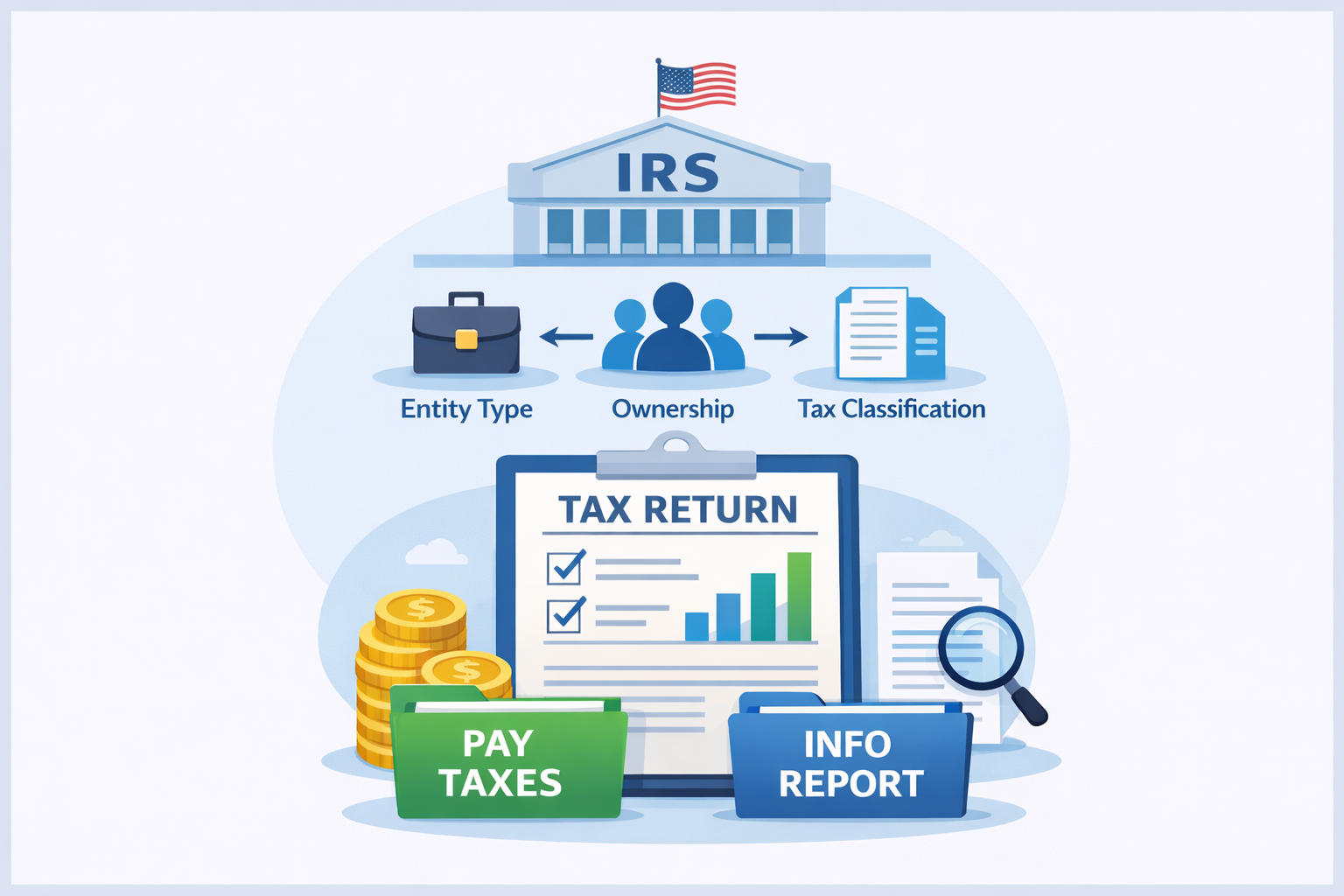
2. Who Must File Kansas State Income Tax?
You may need to file a Kansas state income tax return if you are a Kansas resident, part-year resident, or nonresident with income subject to Kansas tax. Filing requirements depend on your residency, income, filing status, and Kansas-source income.
Quick checklist (common scenarios)
- Kansas residents: required to file if income exceeds Kansas filing thresholds
- Part-year residents: report income according to Kansas residency and Kansas-source income rules for the applicable period.
- Nonresidents: generally must file a Kansas return when they receive Kansas-source income, subject to applicable filing requirements.
- Self-employed individuals: must report Kansas business or freelance income
- LLC members and sole proprietors: must file Kansas returns for pass-through income
3. Your Filing Status and Income Type Decide Kansas Tax Forms
Kansas state income tax filing does not use a single form for all taxpayers. The form you must file depends on your residency status and the type of income earned during the tax year. Kansas uses different forms for residents, nonresidents, and taxpayers with simple income.
Key idea
- Kansas residents: generally file Form K-40, the Kansas Individual Income Tax Return. The current Kansas Department of Revenue forms list Form K-40 as the individual income tax return for 2025.
- Part-year residents: generally file Form K-40 and complete Schedule S, Part B to report the applicable residency and Kansas-source income information.
- Nonresidents: generally file Form K-40 and complete the applicable Schedule S information for Kansas-source income.
- Self-employed taxpayer: reports business income on the appropriate Kansas form
- Federal return reference: Kansas calculations generally begin with federal adjusted gross income
Confirming your residency status and income source early helps ensure accurate Kansas state income tax filing and reduces the risk of notices from the Kansas Department of Revenue.
4. Documents Required for Kansas State Income Tax Filing
Preparing complete documentation in advance helps streamline Kansas state income tax filing and reduces the risk of processing delays, adjustments, or penalties.
- W-2 and 1099 forms: reporting wages, contractor income, or other earnings
- Federal tax return: Keep your federal Form 1040 and supporting schedules available when preparing your Kansas return.
- Kansas withholding records: state tax withheld from income, if applicable
- Business income records: profit and expense details for self-employed taxpayers
- Prior year Kansas return: helpful for consistency and carryforward items
READY FOR KANSAS STATE INCOME TAX FILING?
Start your Kansas state income tax filing with clear guidance on forms, deadlines, and compliance requirements set by the Kansas Department of Revenue.
Start Kansas Tax Filing5. DIY vs Accountant vs Managed Filing
Taxpayers and business owners usually choose one of three approaches: do it themselves, hire an accountant, or use a managed process. The right choice depends on complexity, time, and risk tolerance.
What typically changes your complexity?
- Multiple LLCs or multiple partners
- US-source income / withholding / treaty-related details
- High bank activity and many transactions
Why founders choose managed filing
- Fewer missed items and fewer back-and-forth messages
- Clear checklist + timeline
- More confidence that forms match the entity type
| Feature | FormLLC | Provider A | Provider B |
|---|---|---|---|
| Built for non-US founders | ✅ Deep non-resident focus | ➖ Limited support | ➖ Generic templates |
| End-to-end guidance (LLC → EIN → BOI → Tax) | ✅ Included / add-ons | ➖ Partial | ➖ Formation only |
| Transparent pricing | ✅ No surprise upsells | ⚠️ Hidden add-ons | ⚠️ Tiered upsells |
| Human support (WhatsApp / email) | ✅ Dedicated support | ➖ Ticket-based | ➖ Slow response |
Tax filing is not just “submitting a form.” The real risk is wrong entity classification, missing forms, missing partner details, and late filings. A clean checklist and correct form selection saves time and avoids notices.
6. Step-by-Step: How to File Kansas State Income Tax
Step 1: Confirm your Kansas residency status
Determine whether you are a Kansas resident, part-year resident, or nonresident. Your residency status determines how you report income on Form K-40 and whether additional Schedule S information is required.
Step 2: Gather income records and federal return details
Collect W-2s, 1099s, and your federal income tax return. Kansas state income tax calculations generally begin with federal adjusted gross income.
Step 3: Review Kansas-specific deductions and withholding
Verify Kansas tax withheld and applicable deductions, including allowable deductions for federal income tax paid, subject to statutory limits. Accurate withholding information helps prevent balances due or delayed refunds.
2025 Kansas individual income tax returns are due April 15, 2026. The tax must also be paid by the applicable due date.
Step 4: Prepare and review the Kansas tax return
Complete Form K-40 and any required schedules using an approved electronic filing option, tax software, professional assistance, or the applicable paper forms. Kansas also provides WebFile as an electronic filing option for eligible taxpayers.
Step 5: Submit the return and retain confirmation
File your return electronically or by mail and keep a copy of the filed return, payment confirmation, or refund notice for your records.
Step 6: Plan for next tax year
Maintain organized income and expense records throughout the year to simplify future Kansas state income tax filing and reduce the risk of errors.
Helpful IRS reference:
If you prefer guided assistance, FormLLC can help confirm your Kansas filing requirements and coordinate the preparation process.
7. Tips to Avoid Kansas Tax Notices and Penalties
- File your Kansas state income tax return by April 15 for calendar-year individual returns, unless the deadline is moved because of a weekend or legal holiday.
- Pay any tax due even if you request an extension to file
- Verify Kansas tax withholding amounts before submission
- Keep copies of filed returns and payment confirmations
- Respond promptly to any notices from the Kansas Department of Revenue
8. Kansas Tax Costs, Penalties, and Filing Timelines
- Filing preparation cost: Varies based on income type and filing method used
- Record cleanup: Optional but helpful if income or withholding records are incomplete
- Late filing penalty: Kansas may assess penalties and interest when a return or tax payment is late. The applicable penalty depends on the circumstances and current Kansas rules.
- Interest on unpaid tax: Accrues at rates set annually by the Kansas Department of Revenue
- Filing extension: Kansas generally allows an extension of time to file, but an extension does not extend the time to pay. For 2025 returns, tax due should be paid by April 15, 2026; an approved/federal extension can provide additional time to file.
| Task | Typical Timing | Notes |
|---|---|---|
| Document collection | January to February | Income statements and withholding records |
| Kansas resident return (Form 40 or 40A) | Due April 15 | Applies to most individual filers |
| Nonresident return (Form 40NR) | Due April 15 | Required for Kansas-source income |
| Extension | Automatic to October 15 | Extends filing deadline, not payment |
| Return confirmation and record storage | After filing | Keep copies of filed return and payment proof |
| Next-year tax planning | Throughout the year | Helps reduce future filing issues |
9. Common Federal and Kansas Tax Forms
1. EIN (Employer Identification Number)
An EIN identifies a business for federal tax purposes and may be used for applicable Kansas business tax filings. Whether an EIN is required depends on the business's entity type, ownership, employees, and federal tax classification.
2. Federal Partnership Return (Form 1065)
Multi-member LLCs file a federal informational return using Form 1065 . Income reported on Schedule K-1 is used to complete Kansas state income tax returns for individual partners.
3. Federal Corporate Return (Form 1120)
US C-Corporations file Form 1120 at the federal level. Corporate income figures are used to determine Kansas tax obligations when applicable.
4. Kansas Individual Income Tax Forms
- Form K-40: Kansas Individual Income Tax Return.
- Schedule S: Kansas Individual Income Tax Supplemental Schedule, including applicable information for part-year residents and nonresidents.
- Schedule A: Kansas Itemized Deduction Schedule, when applicable.
- K-40V: Kansas Payment Voucher, when making a payment by voucher.
5. Owner Individual Filing (when applicable)
- Individuals report Kansas income using Form 40, 40A, or 40NR based on residency
- Partners use Schedule K-1 information to complete Kansas individual returns
- Federal ITIN or SSN may be required for individual Kansas tax filing
10. Conclusion
Kansas state income tax filing requires taxpayers to use the appropriate Kansas forms, report taxable income accurately, and meet the applicable filing and payment deadlines. For 2025 individual returns, the filing deadline is April 15, 2026.
By understanding Kansas filing requirements, deadlines, and forms, taxpayers can complete their state returns with confidence. FormLLC provides clear guidance to help streamline the Kansas state income tax filing process.
Frequently Asked Questions
Kansas residents, part-year residents, and nonresidents may need to file a Kansas income tax return depending on their residency, income, and Kansas-source income. Nonresidents with Kansas-source income generally must file regardless of the amount of Kansas-source income.
The Kansas state income tax filing deadline for 2025 individual returns is April 15, 2026. If the deadline falls on a weekend or legal holiday, the next regular business day applies.
Kansas allows additional time to file when the applicable extension requirements are met. A federal Form 4868 extension automatically extends the Kansas filing deadline when a copy is included with the Kansas return. The extension does not extend the April 15, 2026 payment deadline.
Kansas individual taxpayers generally file Form K-40. Part-year residents and nonresidents use the applicable Schedule S sections to report residency and Kansas-source income. Other schedules, such as Schedule A, may apply depending on the taxpayer's circumstances
Yes. Kansas allows a deduction for federal income tax paid when calculating Kansas taxable income, subject to statutory limitations set by Kansas law.
Late Kansas state income tax filing can result in penalties and interest when tax or a required return is not filed or paid on time. The amount depends on the applicable Kansas penalty rules and circumstances.
FormLLC provides assistance with document preparation, form selection, and general guidance for Kansas state income tax filing to support accurate and timely submission.