
1. What Is Arkansas State Tax Filing?
Arkansas state income tax filing refers to the process of reporting certain types of
income to the
Arkansas
Department
of
Revenue.
Importantly, Arkansas imposes a personal state income tax on
individuals and certain businesses, with rates that have been reduced in recent years.
Filing obligations may apply for residents, part-year residents, and nonresidents with
Arkansas-source income, as well as certain pass-through entities, fisheries businesses,
mining license tax activities, oil & gas-related operations, and other special
taxes.
This is separate from federal income tax filing with the IRS.
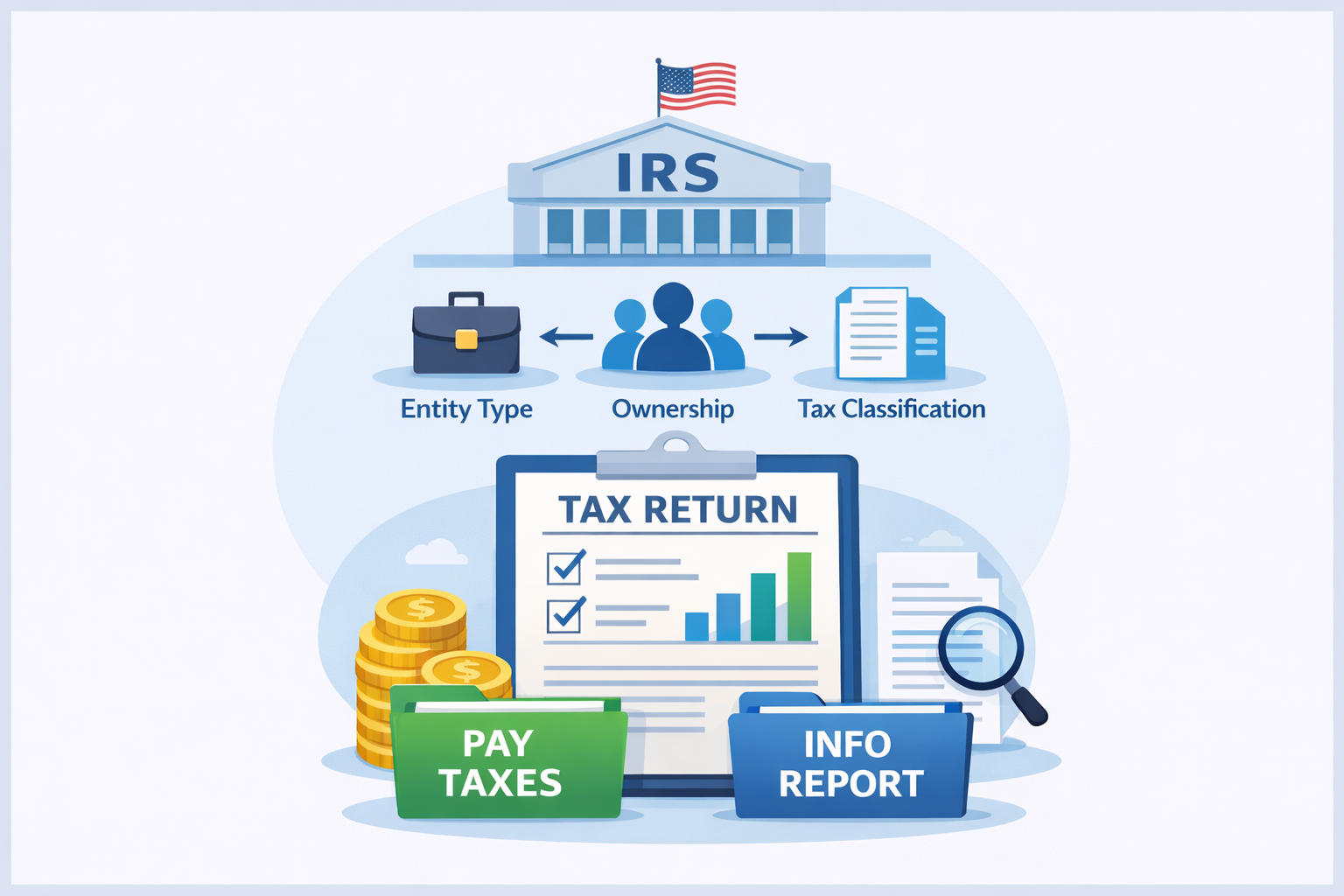
2. Who Must File in Arkansas?
Most individuals may need to file an Arkansas state income tax return depending on their residency status and whether they have Arkansas-source income. Arkansas imposes a personal state income tax, although rates have been reduced in recent years. However, filing may be required in these situations:
Quick checklist (common scenarios)
- Nonresidents with Arkansas-source income (wages, business, rental, royalties, fisheries, etc.)
- Part-year residents for the period they lived in Arkansas
- Individuals or entities subject to fisheries business tax, mining license tax, or oil & gas production / property tax
- Pass-through entities (partnerships, S corps, LLCs) that must file informational returns
- Taxpayers who had Arkansas tax withheld and want to claim a refund
3. Arkansas Tax Forms – What to File
Arkansas requires individuals to file a personal state income tax return if they meet residency or income thresholds. Standard Arkansas individual income tax forms apply to residents, part-year residents, and nonresidents with Arkansas-source income.
When Arkansas tax forms are required
- Individual income tax returns (AR1000F for residents, AR1000NR for nonresidents or part-year residents)
- Corporate Net Income Tax returns apply to C-Corporations doing business in Arkansas
- Fisheries Business Tax filings apply to qualifying fishing-related activities
- Mining License Tax filings apply to mining operations
- Oil & Gas Production and Property Tax filings apply to energy-sector businesses
Arkansas has a state personal income tax, though rates have been reduced in recent years. Confirming your residency status and any Arkansas-source income early helps avoid notices or penalties.
4. Documents Required for Arkansas Tax Filing (When Applicable)
If you determine you need to file with Arkansas, prepare these documents in advance:
- W-2 and 1099 forms: showing any Arkansas-source income
- Federal tax return (Form 1040): used as the starting point
- Arkansas withholding records: if any state tax was withheld (rare for personal income)
- Business / fisheries / mining income records: profit, expenses, production reports
- Prior Arkansas returns (if any): for consistency and carryovers
NEED HELP WITH ARKANSAS STATE TAX FILING?
Confirm whether you have any Arkansas filing obligation and get clear guidance on forms, deadlines, and compliance.
Get Arkansas Tax Help5. DIY vs Accountant vs Managed Filing
Non-US founders and remote business owners typically choose one of three approaches: DIY, hire an accountant, or use managed filing services.
What typically increases complexity?
- Arkansas-source income (fisheries, mining, oil & gas, rentals)
- Multi-state operations / apportionment questions
- Pass-through entities with Arkansas activity
| Feature | FormLLC | Provider A | Provider B |
|---|---|---|---|
| Built for non-US founders | ✅ Deep non-resident focus | ➖ Limited support | ➖ Generic templates |
| End-to-end guidance (LLC → EIN → BOI → Tax) | ✅ Included / add-ons | ➖ Partial | ➖ Formation only |
| Transparent pricing | ✅ No surprise upsells | ⚠️ Hidden add-ons | ⚠️ Tiered upsells |
| Human support (WhatsApp / email) | ✅ Dedicated support | ➖ Ticket-based | ➖ Slow response |
Tax filing is not just “submitting a form.” The real risk is wrong entity classification, missing forms, missing partner details, and late filings. A clean checklist and correct form selection saves time and avoids notices.
Tax filing is not just “submitting a form.” The real risk is wrong entity classification, missing forms, missing partner details, and late filings. A clean checklist and correct form selection saves time and avoids notices.
6. Step-by-Step: Arkansas State Income Tax Filing (When Required)
Step 1: Confirm whether you are required to file in Arkansas
Arkansas imposes a personal state income tax. Residents, part-year residents, and nonresidents with Arkansas-source income may be required to file a state return. Start by determining your residency status and whether you earned income connected to Arkansas during the tax year.
Step 2: Prepare your federal tax return first
Arkansas state tax filing begins with your federal return. Complete your federal income tax filing with the Internal Revenue Service (IRS) before preparing your Arkansas return, as state forms rely on federal income figures.
Step 3: Gather Arkansas-specific income and withholding documents
Collect W-2s, 1099s, and records showing Arkansas-source income, including wages, business income, rental income, or income from fisheries, mining, or oil and gas activities. If Arkansas tax was withheld, keep those records available to claim proper credit.
Step 4: Select the correct Arkansas tax form
Most individuals file Form AR1000F (full-year residents) or Form AR1000NR (nonresidents and part-year residents). Businesses and pass-through entities may have additional filing obligations depending on their activities in Arkansas.
Step 5: Confirm your EIN for business-related filings
If you are filing on behalf of an LLC, partnership, or corporation, ensure you have a valid Employer Identification Number (EIN). An EIN is issued by the IRS and is required for business tax reporting. You can apply for an EIN directly through the IRS EIN application portal.
Step 6: File your Arkansas return and retain records
Arkansas income tax returns are generally due by April 15, the same deadline as federal filing. Returns may be filed electronically or by mail. After filing, keep copies of your return and supporting documents for your records in case of future correspondence from the Arkansas Department of Revenue.
7. Tips to Avoid Arkansas Tax Notices
- Confirm whether you are required to file based on residency and Arkansas-source income
- Report Arkansas-source income correctly if applicable
- File by April 15 if a return is required
- Keep good records of income sources and apportionment
- Respond promptly to any Arkansas Department of Revenue correspondence
8. Arkansas Tax Costs, Penalties, and Timelines
- Personal income tax rate: Graduated rates (reduced in recent years)
- Late filing penalty (when return is required): Up to 5% per month (max 25%)
- Interest on unpaid tax: Set annually
- Filing extensions: Automatic federal extension usually accepted; payment still due April 15 if tax owed
9. Common Federal & Arkansas Tax Forms
Arkansas Tax Forms (when applicable)
- Individual income tax forms (AR1000F, AR1000NR)
- Arkansas Corporate Income Tax Return (C-Corporations with Arkansas nexus)
- Fisheries Business Tax filings administered by ADOR
- Mining License Tax filings based on Arkansas mining income
- Oil & Gas–related tax and production filings (not personal income tax)
10. Conclusion
Arkansas has reduced personal income tax rates compared to many other states, making it attractive for individuals and many businesses. However, specific filing obligations can still apply for Arkansas-source income or certain industries.
Understanding your situation helps you stay compliant without unnecessary filings. FormLLC can help confirm your Arkansas tax obligations quickly and clearly.
11. Frequently Asked Questions
Yes. Arkansas imposes a personal state income tax on individuals. While tax rates have been reduced in recent years, residents, part-year residents, and nonresidents with Arkansas-source income may still have a filing obligation.
Filing requirements depend on residency status and income. Arkansas residents and part-year residents generally need to file if they meet income thresholds. Nonresidents must file if they earn Arkansas-source income, such as wages, business income, rentals, or income from fisheries, mining, or oil and gas activities.
The standard Arkansas state income tax filing deadline generally follows the federal deadline, which is usually April 15. Extensions are available, but any tax owed must still be paid by the original due date to avoid interest or penalties.
Most individual taxpayers file Form AR1000F (for full-year residents) or Form AR1000NR (for nonresidents and part-year residents). Additional schedules or forms may apply depending on income sources or deductions.
Arkansas does not allow a direct deduction or credit for federal income taxes paid. State taxable income is calculated separately using Arkansas-specific rules, adjustments, deductions, and credits.
If a required return is filed late, Arkansas may assess penalties and interest on any unpaid tax. Penalties are generally calculated as a percentage of the tax due, and interest accrues until the balance is paid in full.
Yes. FormLLC can help you understand whether you have an Arkansas filing requirement, identify the correct forms, and guide you through compliance for both state and federal tax obligations.